Whether homeschooling or not, parents should keep their own records of their child’s education. ‘What to keep’ depends on the age and interests of your unique student.

As parents, we are bombarded with responsibilities, but finding a way to keep track of our child’s life accomplishments is a significant one that often goes unaddressed. This does not have to add stress to your life. Simply keep an ongoing bin, binder, or digital file; I use all three. At some point, this information will be something you’ll be glad you have.
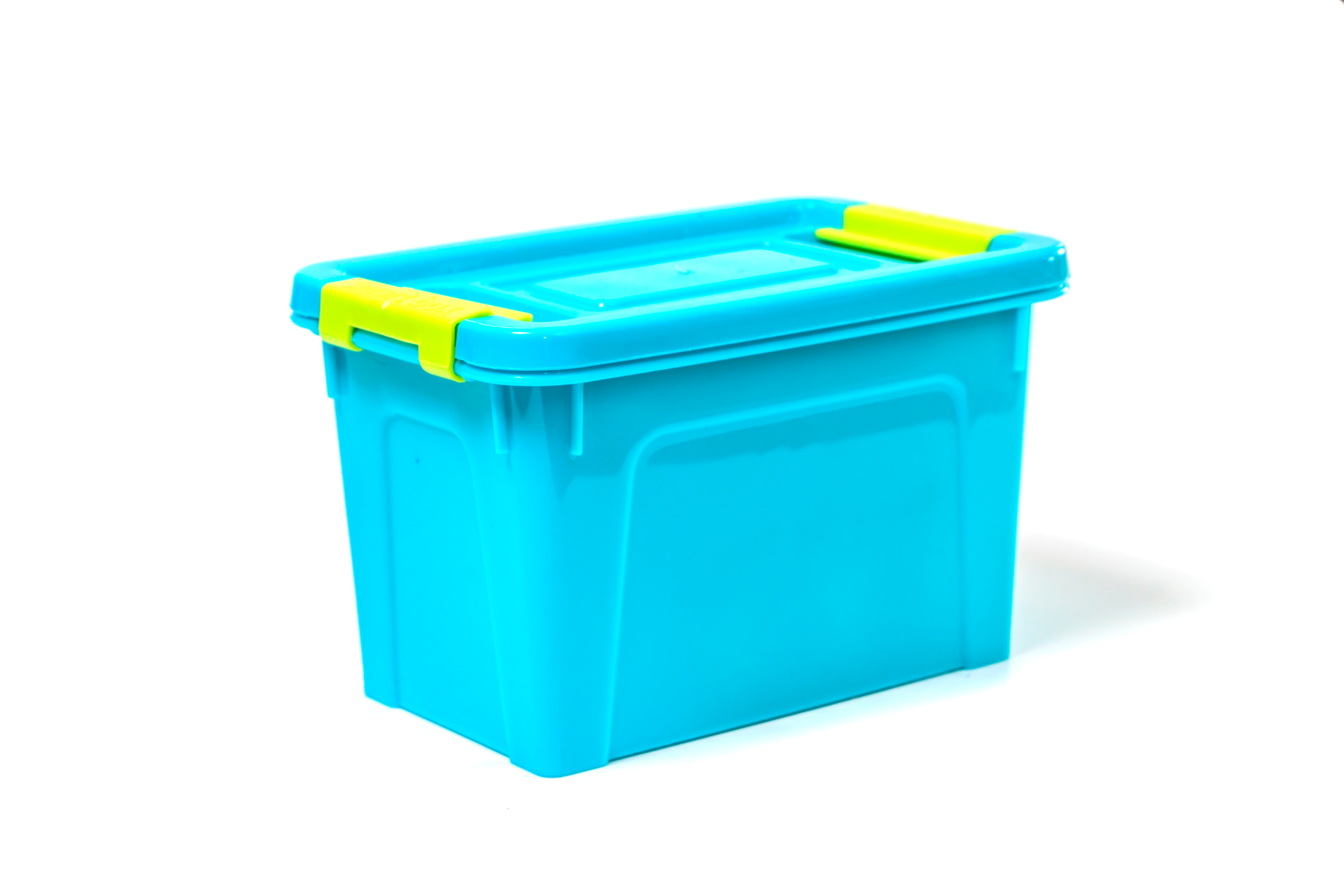
In pre-school and early elementary years, you might want to store art and early writing samples, poetry, school assignments, and report cards or evaluations from your child’s school. There is much to learn from this age and stage, as significant growth is happening! Where to keep this? Purchase a single clear plastic bin for each child. Label it with the child’s name and the school years it will contain. Nostalgia prevails here.

In Middle School, now is the time to get in the habit of keeping a “Middle School Activities List” – a running account of your student’s activities during the year. These are active years, so don’t be surprised if you collect very little during this stage. Although primarily nostalgic, keep writing samples, reading lists, report cards, and evaluations, as they can become more critical during this stage, particularly for students applying to private high schools.

However, High School is where the rubber hits the road. Grade nine is the ideal time to gather information that may be helpful when the college application process begins.
Expanded High School records are essential for any student, whether they are college-bound or not.
You will want to keep writing samples, community service records, reading lists, report cards, sports, work experience, awards and accolades, and any other notes that fit your unique student profile. Document everything. Without a complete transcript, doors will close, and competitive colleges will likely not even see your student.

Final transcripts for college applications are sent by your student’s college counselor directly to the college. (Homeschool Mamas — YOU are the college counselor, so YOU are sending the transcript.) Traditional school Mamas, your student supplies this information to their high school counselor, which will, in turn, help them make recommendations to your student. Your record provides a repository of your student’s grades, PLUS every other thing your student achieved during their educational, athletic, and extra-curricular life. Having a system provides an organized space to keep track of all your students’ achievements beyond attendance records and transcripts.
WHY DO THIS?
Homeschoolers need this information as proof of work that was done, as well as data for your student’s Homeschool Records, Official Homeschool High School Record, Transcript, and Course Description packets. College-bound homeschooled students need this information to easily and accurately complete College and Scholarship Applications.
Non-college-bound homeschooled students need this information recorded for them, as it becomes their complete educational history, as well as proof of graduation. Also, people change their minds. What if your teen has no interest in college at age 18, but decides to go at age 24?
Traditional-schooled, college-bound students need this information to complete College and Scholarship Applications. Do not rely on your school to be aware of every detail about your student.
Traditional, non-college-bound students require this information to be recorded for them, as it becomes part of their comprehensive educational history. They may need their records someday, and school systems are not obligated to keep track of your graduates’ details.
To make sure all vital information is collected, I set up three primary systems for keeping our family’s High School records:
- Binder. Create a 1″ binder for each grade year. Inside, I keep all the most pertinent details for that year, including the best writing samples and lab reports, any communication with our town or school board, awards, and grades. When our teens graduated, they had four one-inch binders, representing the best of their high school years. Each binder represents an academic “yearbook” for that student.
- Bin. Not essential, but for us, everything not in the 1″ binder went in the bin for the corresponding high school year. Examples include early drafts of papers and labs, daily coursework, math tests, workbooks, playbills, or other materials from experiences throughout the year. *Homeschoolers will likely have one bin per year, per child.
- Digital file. Obviously, so much is digital these days. Create a file on your computer (and consider cloud storage for back-up) to store transcripts, course descriptions, activity lists, and other relevant materials. Set up one digital file per student; this is essential data that should be updated frequently.
Repeat this process for each year and child.

College Applications and High School graduations will arrive before you know it. With consistent record-keeping accounts rolling along in the background, your student will be ready to copy and paste their achievements right into the Common App.
Note: If your high schooler is NOT college-bound, then these high school records are even MORE important to keep. This record becomes their complete educational history, and if they need to access it at any time in the future, you will have it for them.
It seems like a lot, but really, your kids are doing the work. All you have to do is collect and record their accomplishments in a way that makes sense for you.
Need ideas on setting up a system? With years of success in helping families, I specialize in transforming school records into impressive, professional transcripts that colleges appreciate and recognize.
©2025 Lynne Rey
Blog Published by GoTimbalero Press
All rights reserved. No part of this blog or blog post may be used or reproduced in any manner whatsoever without written permission, except in the case of brief quotations. This is a narrative work; names, characters, places, and incidents are based on the author’s memory and written from the author’s perspective.
Photos are the property of the Rey family archive. For information or permission, address GoTimbalero Press, P.O. Box 247, Newport, RI 02840
Editing and Design by Lynne Rey

 T I M B A L E R O